

City Bites In Motion
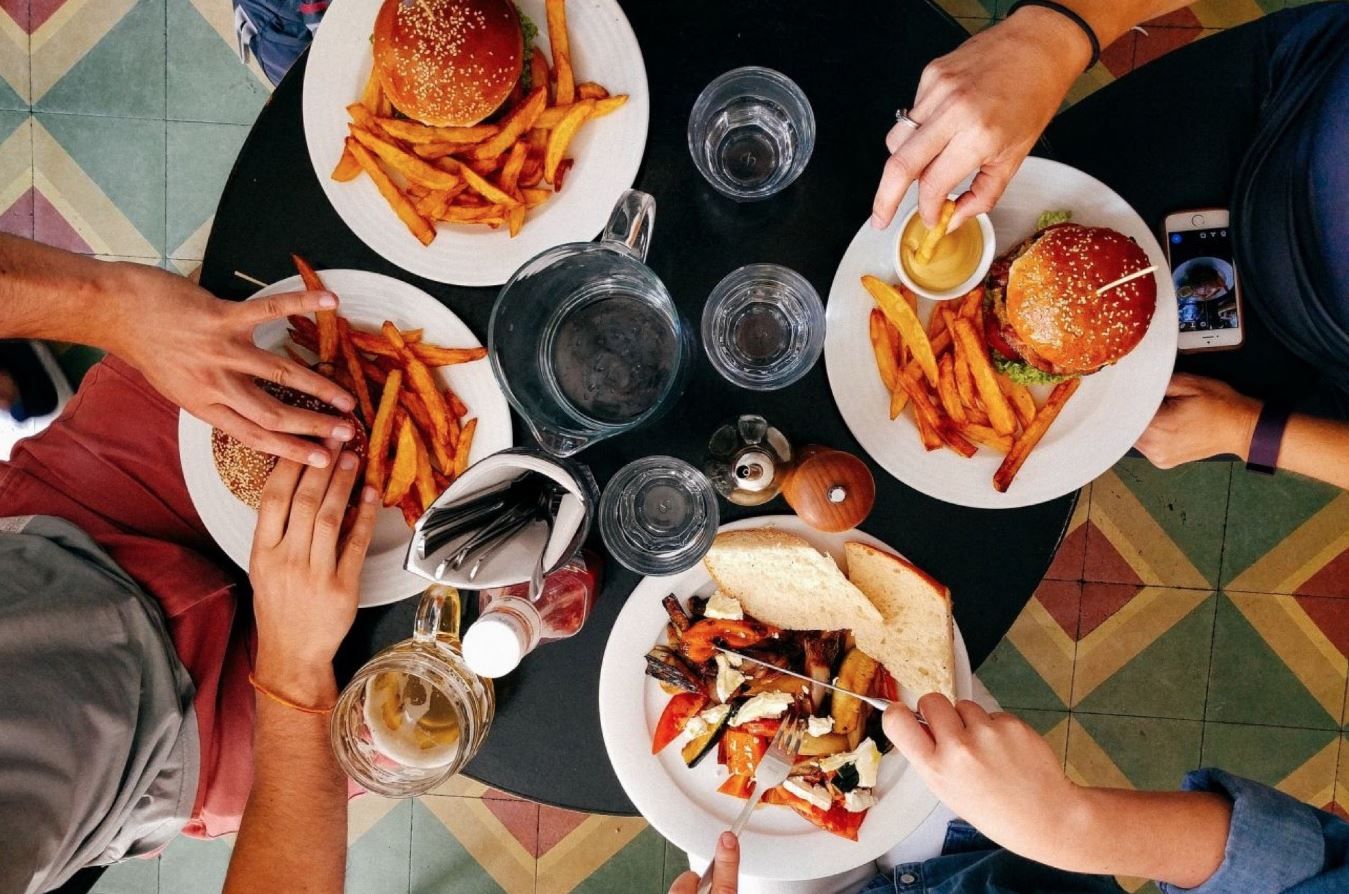
Urban appetites shape routines, streets, and friendships through quick plates and shared air
Dawn Begins With A Cart And A Smile
Before traffic thickens, small carts glow near train stairs and bus shelters, pouring hot drinks into steady hands while griddles whisper softly, and the first customers trade coins for warmth and a short exchange that sets the mood for the day, because a simple bun or egg roll eaten under pale sky makes the city feel like a friend rather than a maze.
The Commute As A Moving Dining Room
People learn to eat neatly while walking, balancing cups and wrappers with quiet skill, and the best vendors pack meals that keep structure through steps and curbs, which turns a busy boulevard into a long corridor of private breakfasts shaped by rhythm, timing, and the steady choreography of wheels and feet.
Elevator Snacks And Lobby Tables
Office towers act like vertical markets once elevators open, because lobby kiosks sell small breads, yogurt cups, and fruit, and workers gather around high tables for a ten minute pause that feels like recess for adults, a gentle reminder that food can restore focus without demanding a long break.
Micro Kitchens Inside City Homes
Urban apartments often rely on compact stoves and slender fridges, so residents plan simple builds that deliver big taste with minimal gear, a pot for rice, a pan for searing, a kettle for soups and tea, and a shelf of bold condiments that rewrite leftovers into something bright and new after midnight or dawn.
Lunch Hour Maps Drawn By Footprints
At noon, office blocks empty toward the same alleys where steam and smoke curl into the light, and regulars create invisible trails from desks to favorite stalls, passing familiar corners in exchange for bowls that hold the right blend of greens, grains, and heat, which turns a crowded city into a pattern that calms rather than overwhelms.
The Art Of Eating On Benches And Steps
Without spare tables, city eaters adopt steps, planter edges, and public benches as casual dining rooms, so packaging earns respect only if it opens cleanly and closes again without a fight, and a good napkin fold can save a shirt and a mood, while passersby swap recommendations with small nods and grateful grins.
Afternoon Pick Me Ups That Do Not Drag
Caffeine and sugar help only when balanced with water and a pinch of salt or a squeeze of citrus, so tea stands offer light blends and fruit sellers dust slices with spice, keeping energy steady without the heavy fog that follows a meal that asks the body to nap while the inbox begs for replies.
Market Loops That Fit A Wallet
City budgets stay sane when routes follow value, two snacks and one bowl can serve three friends if the choices mix crisp, soft, and bright, and shared trays invite conversation that feels like a small festival even on a weekday, because abundance draws more from variety than from volume.
Transit Hubs As Flavor Crossroads
Stations and stops attract cooks from different neighborhoods, which turns a corridor of tickets and timetables into an accidental exchange where noodles meet grilled corn and aromatic rice sits beside rotisserie, and travelers learn that the fastest way to understand a new part of town may be a paper cup that smells like home for someone else.
Fitness Meets Street Food Without Conflict
Urban food lifestyles do not require strict lines between health and joy, because grilled fish, beans, fresh herbs, chopped greens, and smart sauces pair easily with the urge to run a river path later, and vendors who label portions clearly make it easy to keep tomorrow’s pace in mind while ordering tonight.
Evening Pop Ups That Feel Like Theater
As light fades, alleys and rooftops pivot into small stages where cooks test a new skewer or custard, a playlist ties the room together, and friends drift in from transit with the relaxed hope that tonight will bring an unfamiliar spice or texture, and the city rewards that hope with a scene that shifts just enough to stay curious.
Late Night Comfort Without Regret
After concerts and long shifts, warm rice bowls, gentle soups, and soft breads appear from windows that stay bright when most lanes dim, and prices remain kind because regulars return often, which teaches the neighborhood that safety and comfort can glow quietly at the edge of midnight without drawing trouble.
Urban Pantry That Works Harder Than It Looks
A single shelf can power a week if stocked with vinegar, citrus, chili oil, soy or tamari, a nutty seed mix, and a jar of quick pickles, because these finishers rescue leftovers and raise simple vegetables to the level of street worthy snacks, which keeps delivery for special days rather than for every evening.
Community Fridges And Shared Care
Many blocks maintain public fridges where residents leave extras and take what they need, and these small boxes deliver quiet dignity, because a container of soup or a bag of greens turns into an immediate meal for a neighbor, and the city feels less like a crowd and more like a family with many cousins.
Rooftop And Window Box Harvests
Space may be tight, yet roofs and sills grow herbs that change everything, basil lifts tomato cups, mint refreshes yogurt dips, and chives brighten potatoes, proving that a handful of leaves can widen choice without raising cost, while bees and birds find small invitations among concrete and glass.
Seasonal Shifts Written On Chalkboards
Boards near sidewalks announce the calendar more honestly than apps, because rain invites stews and buns, heat calls for citrus and shaved ice, and a cold snap asks for porridge with seeds, and learning to follow those signals keeps meals aligned with the sky rather than with habits that forgot to look up.
Delivery With Neighborly Etiquette
Couriers ride and walk through weather to keep people fed, so clear instructions, easy pickup points, and tips that match effort create a loop of respect, and when building staff and cooks feel seen, the service grows smoother, safer, and faster for everyone who depends on it after long days.
Digital Tools That Reinforce Real Taste
City eaters track allergies, budgets, and routes with simple apps while trusting noses and crowds for final choices, and the best tools point toward small places rather than away from them, highlighting off hours deals and tagging dietary notes so a quick decision at a crosswalk still fits the body and the plan.
Photo Habits That Keep Lines Happy
Images help small kitchens survive only when clicks respect the queue, so a fast shot off to the side, a tag with the correct name, and a clear view for the next guest turn social pages into maps rather than obstacles, and the vendor can keep plating while the story travels to friends across the river.
Cashless Speed With Cash On Hand For Kindness
Tap payments move lines but coins still matter for street musicians or donation jars, and carrying both keeps the city’s small economies alive, because the rhythm of a block depends on many hands exchanging value at different speeds, all of which contribute to a scene that feels human rather than automated.
Safety That You Can See From The Curb
Confidence grows when gloves fit, tongs avoid the register, sinks stay busy, and labels spell out common allergens in large letters, and those visible habits turn first time visitors into regulars who bring guests from other parts of town, since trust is a flavor that lingers after the last bite.
Accessibility As Everyday Practice
Wide aisles, ramps, low counters, and high contrast menus allow more neighbors to eat together, and when more people join, the food feels better because conversation stretches, tastes diversify, and the market becomes a true public square rather than a club for those who move easily through tight spaces.
Kids As Bold Guides
Children pick vibrant plates by color and crunch, often pushing adults to sample something new with a gleeful grin, and stalls that serve half sizes with gentle spice help families turn exploration into a weekly ritual, building taste memory that will anchor the city in their hearts long after school years fly by.
Pets And Polite Distance
Urban food lifestyle includes well behaved dogs tied at posted spots with water bowls and shade, and owners who keep leashes short near lines, which lets animal lovers and cautious diners share space with ease, so the block welcomes many walks of life without turning tense.
Festival Days That Rewrite Neighborhood Maps
Occasional street closures allow tents to spread and invite distant vendors to visit, and residents try a sauce or grain they have only seen online, while local cooks trade ingredients, and the simple act of sharing a lane reshapes how people navigate the city for weeks afterward because they discovered flavor in a place they used to ignore.
Waste Less With Flavor First
Scraps become assets when rice from yesterday fries with scallion and lemon, bread ends crisp into crumbs that crown vegetables, and citrus peels candy into garnish, reducing bin weight while raising delight, which proves that thrift and taste can travel the same route without apology.
Night Markets And The Glow Of Patience
Under string lights and calm songs, vendors stir slowly and plate with care, and couples or friends take the long way home to share desserts that sparkle with sugar, while the city breathes at a pace that invites kindness, because not every meal must sprint to be perfect.
Public Water As A Civic Flavor
Fountains and refill stations keep crowds comfortable and extend the life of spice and sweets, encouraging people to sample widely without the headache of dehydration, and these simple fixtures act like quiet hosts who make sure every guest can linger for one more bite.
Local Media And The Power Of A Small Review
Neighborhood papers and community pages carry the voices that matter most for tiny kitchens, because a paragraph from a familiar writer moves feet faster than a billboard, and the praise often highlights details that national lists overlook, like a cook who remembers names or a sauce that tastes like courage after a long week.
Learning To Cook The City At Home
Apartment kitchens mimic street habits by preparing grains in batches, roasting a tray of mixed vegetables for easy snacks, and keeping two sauces ready, one bright and one savory, which turns weeknights into flexible menus that match the mood at the door rather than a rigid plan that collapses under a late train.
Budget Playbook For A Busy Week
Choose one hearty bowl, two snacks, and a shared dessert across three days while filling gaps with home cooked staples, and let specials guide choices rather than trend, since seasonal abundance stretches coins and tastes fresher, and write prices in a small note so next week begins with knowledge instead of guesswork.
Weatherproof Kits For Outdoor Meals
A tote with hand wipes, a foldable fork, a spare napkin, a light scarf, and a small container for leftovers changes everything, because you can say yes to spontaneous picnics on grass or steps, and heat or drizzle will not cancel joy, since you packed the city equivalent of an umbrella for appetite.
Polite Noise That Protects Conversation
Street speakers set to friendly levels allow people to talk while they eat, and this small mercy keeps tempers low and repeat visits high, because food tastes better when sentences complete without strain and when a laugh does not vanish into a wall of sound.
Micro Seasons Hidden In The City
Urban life reveals tiny seasons beyond the official calendar, first cherry cups on cool mornings, tomato bread at peak glare, cinnamon tea when scarves appear, and ginger soups before holiday lights, and eating with these signals turns a hurried schedule into a story that changes just enough to feel alive.
Side Hustle Kitchens And Weekend Dreams
Many great stalls begin as weekend tents run by nurses, teachers, students, and artists, and the city plays midwife to these dreams by showing up with curiosity and patience, because every small purchase votes for a future where a hobby becomes a livelihood that flavors the block with pride.
Shared Tables As Social Bridges
Long benches become quiet matchmakers when strangers exchange sauce tips and pass napkins, and a meal that began as solo time often ends with new names saved in a phone, since food gives a reason to speak and the city supplies an endless stream of openings.
Respect For Workers Who Hold The Line
Cooks, cleaners, dishwashers, and porters keep the machine humming while visible stars accept thanks, so tipping jars for back of house teams and kind words at closing honor the people who scrub and lift long after the last cup leaves the counter, which keeps morale sturdy through cold mornings and heat waves.
Finding Calm In A Cup Of Soup
Noise fades when a spoon meets broth that carries ginger, garlic, or citrus, and a five minute sit on a stoop can reset a loud day, which explains why soup windows never lose fans in crowded districts, since gentle heat and a balanced salt level work like a brief vacation that costs less than a bus ticket.
Color Codes That Guide Choice
Bright greens suggest fresh herbs, deep browns hint at roasted depth, ruby pickles promise a spark, and creamy whites forecast cool relief, and reading plates this way helps newcomers choose correctly even when names feel unfamiliar, turning a potential misstep into a confident first try.
How A Corner Becomes A Landmark
Consistency turns steam and light into a meeting point, same stall, same greeting, a menu that rotates gently with the season, and a small sign visible from half a block, and friends start to say meet me at the corn grill or meet me by the noodle steam, as if the city installed a new compass just for them.
Clean Up As A Signature Of Care
Stalls that sweep, sort, and wipe until the curb looks better than before service earn neighbors who defend them when permits come up for renewal, because a spotless close tells the story of respect, and respect builds the kind of loyalty that keeps a block vibrant through construction detours and quiet months.
Urban Food As Civic Education
Eating across neighborhoods teaches geography, history, and economics more effectively than lectures, since each plate reveals migration patterns, harvest realities, and the price of square footage, and that ungraded class meets daily near steam, smoke, and laughter where everyone can enroll with a few coins and an open mind.
From Taste To Belonging
The more a person eats with the city, the more the city becomes theirs, because flavors attach to corners and corners attach to stories that outlast leases and jobs, and one day a walk becomes a tour of edible memories where every block greets you with a hint of salt, lime, or warm bread.
The Meal That Teaches You The City
An urban food lifestyle thrives on small rituals practiced in public, a cup at dawn, a bowl at noon, a shared plate at twilight, and a gentle sweet before the ride home, and these moments stitch busy days into something generous, proving that a city is not only steel and noise but also tenderness that fits in the palm of a hand.