

Paths That Taste Like Home
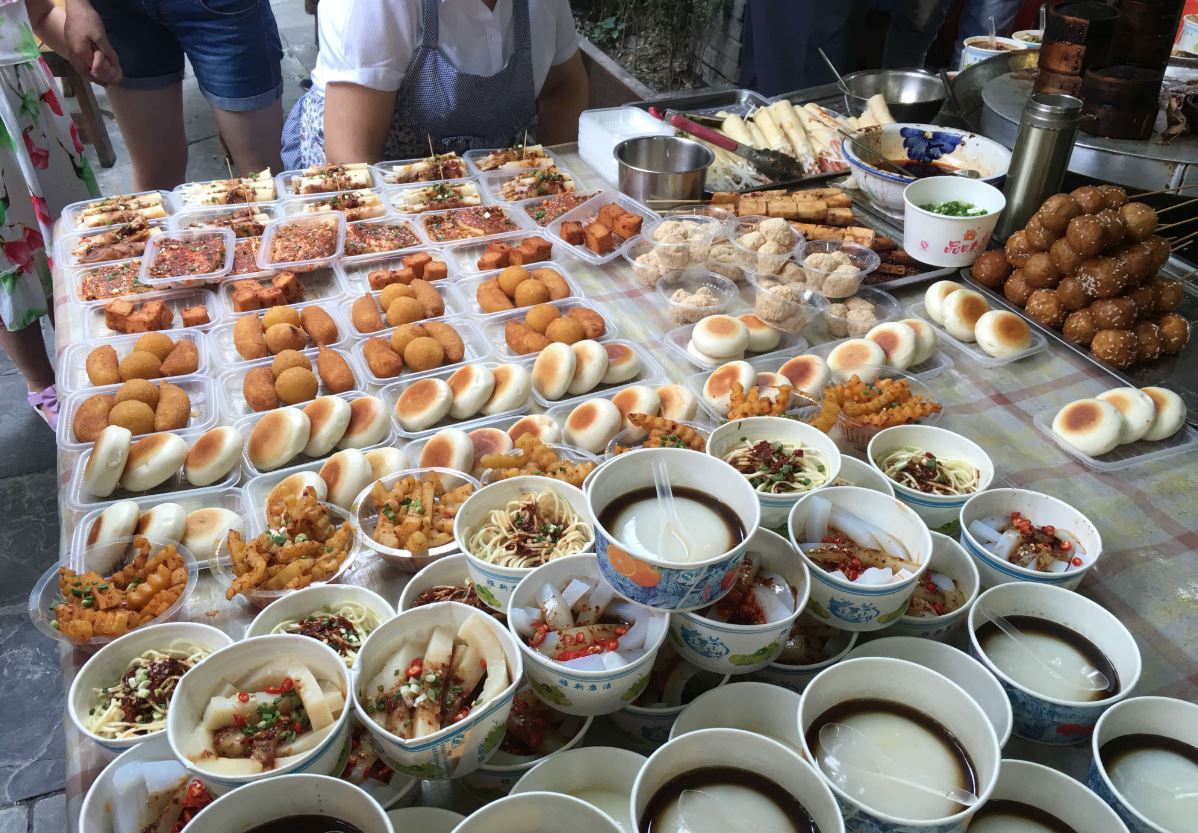
Recipes that travel across borders while keeping families, markets, and memory linked by flavor
The Kitchen As A Map
Every culture lays a pathway from hunger to comfort using ingredients close at hand, and those routes become tradition when countless hands repeat the steps with care. A pot of rice, a round of bread, a simmering stew, or a tray of dumplings each marks a point on the shared map. Over time the map grows, not by erasing earlier paths, but by adding new lanes as traders, migrants, and neighbors exchange techniques that fit busy lives and lively streets.
Grain As Foundation And Storyteller
Wheat, rice, maize, millet, and barley carry entire cuisines on their shoulders, and the way each grain is washed, pounded, steamed, or baked tells you who lives nearby and how they meet the seasons. Flatbreads rise quickly for markets because speed matters. Rice rests and shines beside pickles because contrast pleases the crowd. Corn becomes dough for hand pies because travel calls for sturdy meals. The grain itself remembers climate, soil, and patience, then passes those memories to anyone who eats.
Fire As Teacher
Roasting, braising, smoking, and quick searing serve as universal languages. Open flame paints meat with a char that tastes both ancient and fresh. Clay ovens hold heat like a promise that cannot be rushed. Street griddles turn batter into lace where the edges crackle and the center stays tender. Each method was born from necessity, then refined until craft and instinct blended into a ritual that feels effortless from the outside and exacting from the inside.
Soup And Stew As Welcome
Broth meets vegetables, grains, or noodles in combinations that look simple and feel profound. A long simmer pulls sweetness from onions and bone. A short boil keeps greens bright. Vendors who serve bowls by the dozen learn to season with a glance. The spoon becomes a universal handshake, shared in winter squares, coastal docks, and mountain towns where conversation turns quiet after the first sip.
Bread That Walks The Streets
Loaves, rounds, and flat discs make meals possible without tables or plates. The dough folds around fillings, lifts sauces from bowls, or simply calms a spicy bite. Bakers work in early shadows so that commuters meet warm bread as the day begins. The crack of a crust or the soft pull of a crumb can anchor a whole market because people hear that sound and trust the morning again.
Dumplings As Folded History
Pillows of dough hide soups, meats, or vegetables, and the fold itself carries lineage. Pleats count like beads on a family bracelet. Some wrappers shine translucent, others puff when steam kisses flour. Boil, pan fry, or steam, the cooking method supports the filling rather than stealing the moment. Vinegar and chili or butter and herbs finish the story without clutter, and a dozen small bites become a complete memory.
Pickles And Ferments As Memory Keepers
From cabbage buried for winter to lemons cured with salt and time, preserved foods serve both survival and pleasure. Acids spark heavy dishes and turn a simple lunch into something lively. Markets keep jars within reach because brightness costs little and returns much. Fermentation adds rhythm to weekly cooking, bubbling quietly while the city rushes past, then arriving at the table with a calm that only patience can deliver.
Spice Trails That Never End
Clove, cinnamon, pepper, cumin, turmeric, and chilies ride with sailors and merchants, then step into home kitchens where they find new partners. One region toasts seeds before grinding, another blooms powder in hot oil, a third rubs whole spices into meat before resting it. Balance rules the final taste. The heat should invite another bite, not end the meal. A pinch too much or too little becomes a lesson for tomorrow, and that adjustment turns cooks into guardians of flavor.
Street Markets As Living Classrooms
Stalls teach with sound, scent, and motion. You watch a vendor judge oil by the shimmer, hear a knife tap out a steady beat, and smell dough turning golden at the edges. Shoppers learn by standing close and asking short questions. Recipes change slightly, not by rebellion, but by reaction to weather, harvest, or the mood of a crowd. Markets preserve tradition by repeating it out loud where everyone can see and taste.
Festival Foods And The Pulse Of A Year
Holidays crystallize identity in bites that appear only for a short season. Sweets fried in syrup shine under lantern light. Savory pies return after a long fast. Grilled meats share space with dance and song. Families travel across town for one particular stall because a single flavor marks the calendar more clearly than any date. When the season closes, the taste lingers like the faint echo of a drum across a quiet field.
Breakfast That Sets Intention
Morning traditions reveal how communities plan the day. Savory broths warm hands and minds. Breads griddled with herbs make commuters smile before the first meeting. Rice porridge welcomes those who rise before dawn. On the curb, vendors move with quiet speed, portioning quickly so that the street keeps time. A good breakfast tells the body to be brave and kind, which might be the most important recipe any culture owns.
Lunch As Negotiation Between Work And Rest
Midday plates aim to restore without slowing the afternoon. Grain bowls wear pickles and greens like bright punctuation. Noodles meet lean proteins and a squeeze of citrus. Compact sandwiches carry crunch and softness in equal measure. The best lunches feel complete yet light, reminding a city that productivity grows out of care, not deprivation.
Dinner And The Art Of Slowness
Evening meals welcome stories. Stews return to the pot for one last stir. Rice finishes with steam resting under a cloth. Bread glows from a second bake near a small fire. Friends and family share plates that ask for a moment of focus. In many places the table extends into the street where air moves freely and laughter mingles with the last hiss of the day’s grill.
Ritual Drinks That Carry Culture
Tea poured high or coffee ground fresh connects generations with a few simple steps. Spiced milk warms winter. Sour yogurt drinks cool summer. Street vendors know which cup completes which plate. The right pairing solves the small puzzles of texture and heat, turning a meal into a balanced chord rather than a set of separate notes.
Sweets That Close The Circle
Dessert traditions vary wildly, yet they share restraint and joy. Custards tremble, fritters crackle, shaved ice sparkles under syrup, and fruit wears spice and salt. The finish should refresh the mood rather than weigh it down. Children remember these moments more vividly than any lecture, and because of that, sweets often serve as the first doorway into cultural memory for the next generation.
Seasonality As Composer
Spring favors tender greens and clean broths. Summer calls for fire, fruit, and quick pickles. Autumn thickens sauces with nuts and grains. Winter asks for long simmers and deep spice. Traditional cooks do not chase trend, they follow the weather with humility. Markets reveal these shifts in color and scent more clearly than any calendar.
Tools That Shape Flavor
Mortars crush rather than tear, woks focus heat, clay pots hold moisture, and griddles spread energy like sunlight on a clear day. A tool directs technique, and technique directs taste. When a community favors a certain vessel, that choice informs the recipes taught to every child. You can read culture in the silhouette of cookware hanging above a stall.
Etiquette At The Curb
Traditions also include how people share space. Lines form without fuss. Seats rotate by unspoken agreement. A spare spoon appears for a friend who arrives late. Vendors remember faces and adjust heat without being asked. These courtesies keep markets kind and allow tradition to feel welcoming rather than rigid.
Migrants As Keepers And Innovators
When people move, they pack spices and methods inside memory. New lands provide different leaves, oils, or grains. Substitutions begin, not to dilute heritage, but to honor it under new skies. The result becomes a branch on the same tree, sturdy and recognizable, yet shaped by wind from a different direction. Street food often leads this adaptation because stalls respond quickly to the needs of their neighbors.
Health And Safety As Tradition Too
Clean water for washing hands, separate boards for raw and ready items, labels for allergens, and steady temperatures are not modern fads, they are forms of respect passed down like recipes. Markets that protect guests earn long lines and long lives. Trust is a flavor, and it seasons every bite even if you cannot name it.
Budget Wisdom Within Heritage
Frugality does not contradict pride. Many classic dishes were born to stretch harvest and wages. Rice becomes new again with a quick fry and stray vegetables. Bread finds purpose as crumbs that add crunch. Bones and peels build stock that lifts a week of meals. Tradition teaches thrift without scolding, and that kindness keeps culture accessible to all.
Color And Texture As Cultural Markers
Some regions prize bright greens and herbs, others lean toward roasted browns and earthy depth. In one city crunch signals celebration, in another silkiness defines comfort. These preferences travel from grandmother to grandchild without a single note written down. A plate speaks the dialect of texture and color before anyone takes a bite.
Music, Smell, And The Memory Of Place
Food traditions live with sound and scent. A drum near skewers sets a steady pace for the line. A vendor’s whistle signals hot bread leaving the oven. Smoke from charcoal blends with citrus peel, and the mind records the scene more completely than any photograph. Years later, one whiff can return a person to that exact corner, that exact laugh, that exact shade of evening.
Teaching Children With Small Jobs
Plucking herb leaves, rinsing rice until the water runs clear, folding dumplings, or counting portions for neighbors, these tasks invite children into the circle of tradition. Skill arrives gently, wrapped in pride and play. The child learns measurement and patience along with family history, and the market gains another caretaker for its future.
When Tradition Meets Technology
Modern tools can protect old flavors. Temperature probes keep custards safe at a busy stall. Solar dryers save chilies without bitterness. Messaging apps announce when the bread rack emerges. The core methods stay the same, but access improves. The goal is not novelty, it is reliability that allows a memory to be shared widely without losing its soul.
Hospitality As The Secret Ingredient
A short greeting, a glance that says the cook sees you, a small extra garnish offered without ceremony, and a suggestion that fits your taste, these gestures bind the guest to the kitchen thread by thread. You leave full, but you also leave known. That is the heart of tradition, not a strict recipe, but a generous habit repeated until it becomes a city’s second nature.
How To Enter Another Tradition With Care
Watch first, order small, ask one honest question, and listen to the answer while tasting. Accept guidance on condiments. Learn how locals hold a wrap or stir a bowl. Share a table if invited. Say thank you in any language you can manage. Respect opens more doors than money ever will, and the flavors that follow will feel richer for it.
Home Cooking With Market Logic
Adopt a few habits that echo the curb. Keep a jar of quick pickle in the fridge. Master one broth, one flatbread, and one rice method. Stock a citrus basket and a small shelf of spices. Build meals from grain, vegetable, and a sauce before adding expensive parts. Serve hot food hot and cold food cold. These simple rules turn apartments into small embassies of welcome.
The Table That Travels With You
Global food traditions prove that belonging can fit in a bowl, a wrap, or a cup. Markets teach patience through simmering pots and teach generosity through shared benches. Families pass techniques like heirlooms, and vendors keep cities kind by feeding strangers as if they were neighbors. Carry these lessons in your steps, and every new street will feel a little more like home the moment you taste its story.