

Gathered Fires and Wandering Flavors
How Global Street Food Became Humanity’s Most Shared Language
The World Cooks in Motion
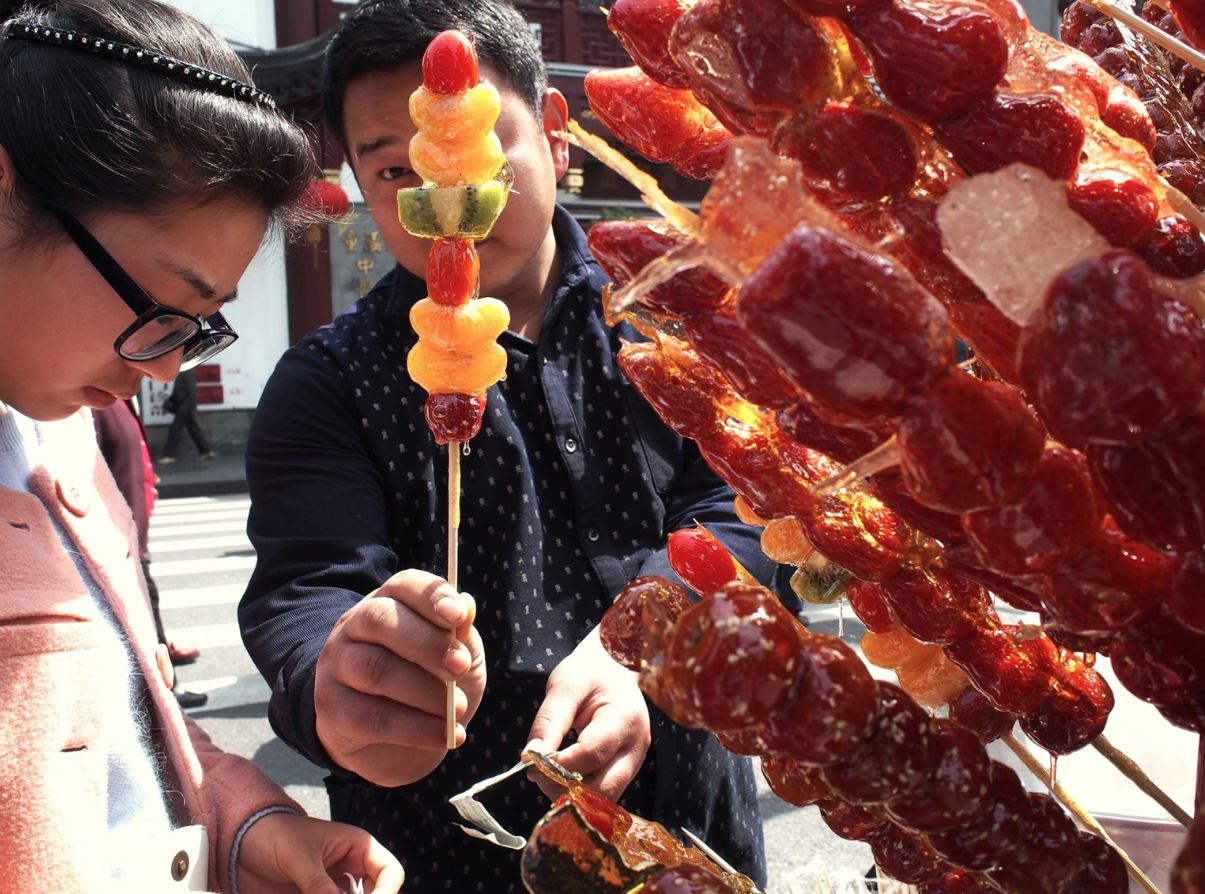
Some stories begin in kitchens behind closed doors, but the story of street food starts outdoors, where the air carries spice and smoke. The world’s appetite has always been restless, and street food is its most visible form of movement. It belongs to no nation entirely, yet it defines every one of them. From morning stalls in Vietnam that hum with ladles striking metal, to night vendors in Mexico whose tortillas crackle in a rhythm as old as memory, every street meal speaks of work, family, and belonging. These dishes are the footprints of migration, the voices of mothers and fathers who once turned scarcity into flavor. Street food transforms survival into celebration, because it allows anyone, no matter their wealth or background, to hold the taste of the world in one hand.
It begins before sunrise, with carts rolling over cobblestone and vendors lighting their first fires. By midmorning, steam rises between buildings, filling alleys with the scent of grilled meat, herbs, and sugar. The air itself becomes a shared invitation. Office workers, students, travelers, and wanderers gather without ceremony, drawn by the promise of something simple and real. This rhythm repeats across continents. Every city, whether vast or humble, wakes up to it. Street food does not wait for perfection. It begins where hunger meets invention, and that moment of contact defines humanity more clearly than any monument or skyline.
The Hands That Feed the World
To understand street food is to see the labor behind it. These cooks are rarely celebrated, but they carry the heartbeat of cities. Each one stands behind a counter that doubles as a stage and a memory. They cook not for applause, but for continuity. In Bangkok, a woman turns her wok with such speed that oil becomes a golden mist. In Lagos, a man tending his grill uses cardboard as a fan, his rhythm as precise as any musician. In Istanbul, the bread sellers move through the morning crowd balancing trays high above their heads, each roll still warm from the oven. The elegance lies not in their tools, but in their timing, their ability to coax consistency from chaos. They know every sound the pan makes when the temperature is right. They know the exact second to flip, stir, or serve.
Generations stand behind these recipes. Often there are no written instructions, no measurements, no guides. The skill passes through memory, through tasting and repetition. A child watching their parent work at a stall learns the importance of precision without perfection. The food carries fingerprints, not signatures. It is not owned, but shared. This is what makes street food sacred in a quiet, unspoken way. It reminds people that nourishment and connection belong to everyone.
The Journey of Ingredients Across Time
Every plate on the street is a map drawn in flavor. Ingredients travel faster than people, and they cross oceans long before airplanes or trade routes had names. Chili peppers from the Americas changed Asia forever. Rice migrated through trade to the Middle East, and bread found new forms in every port it touched. Global street food is the result of centuries of collision and exchange. It tells a story not of purity, but of generosity. Every fusion dish is a record of friendship between cultures, a proof that adaptation is more beautiful than isolation. The balance of spice and texture becomes a shared vocabulary between strangers.
Modern travelers often imagine they are discovering new tastes, but the truth is older. Every vendor on every corner is part of a lineage that predates tourism. The fish taco in Baja carries hints of Japanese tempura. The shawarma stand in Berlin remembers the movement of Ottoman soldiers who cooked over open flames. The curry puff in Malaysia whispers of trade routes that once carried cinnamon and silk. Each item sold by hand connects to a network that stretches across centuries. In every bite, there are echoes of migration, conquest, adaptation, and joy.
Flavor as Memory and Identity
Street food is the diary of the everyday person. It captures what people crave when no one is watching, what they cook when they have little, and what they share when they have much. Every region transforms its local produce into something that feels like home. In Peru, anticuchos sizzle over charcoal, seasoned with heart and heat. In Nigeria, puff-puff dough balls fry beside the road, soft and sweet like laughter. In Japan, takoyaki sellers turn octopus and batter into golden spheres that steam in the hand. The dishes vary endlessly, yet they all chase the same desire, to make something comforting out of whatever is available.
The smell of a familiar dish can transport someone across time faster than any airplane. Memory lingers in food, especially food cooked in public. The first bite of something beloved can make a traveler cry without understanding why. It is because flavor carries emotion in a way words cannot. Each stall becomes a small archive of identity. The people who cook there protect history not by locking it away, but by repeating it daily, one serving at a time.
Markets as Theaters of Humanity
There is no better place to understand a city than its market. The market is the heart that never sleeps, where currency, conversation, and aroma blend into constant movement. Street food thrives there because it mirrors life itself, busy, unpredictable, and warm. The clatter of pans, the laughter between vendors, and the distant hum of traffic create a kind of orchestra that plays from dawn to midnight. In Bangkok, markets burst with color, and the smell of lemongrass hovers in the air like perfume. In Marrakech, the call to prayer rises over sizzling tagines and citrus smoke. In Seoul, alleys lined with red tents come alive at night, their lights reflecting on metal counters where tteokbokki simmers thick and spicy.
To walk through a food market is to see the essence of a city stripped of its polish. It is where cultures negotiate their coexistence daily. Tourists come with cameras, but locals come with stories. Prices shift with mood, and recipes adjust with weather. Every gesture matters. A smile adds extra chili, a conversation buys an extra piece. It is commerce, art, and sociology combined into a single, breathing form. The market holds no hierarchy, because everyone is a participant. The buyer, the seller, the cook, and the passerby are all equal under the aroma of food that refuses to discriminate.
Street Food and the Modern Soul
In an age where screens dominate and pace dictates value, the intimacy of street food feels revolutionary. It asks people to pause, to stand, and to eat with their hands. It rejects the silence of formal dining and replaces it with laughter and exchange. The warmth of a bowl passed over a counter carries more sincerity than any polished presentation. The movement of people around a cart becomes its own ritual, and within that rhythm, community is rebuilt every day. Street food breaks social barriers, because taste requires no language, and hunger has no class.
Technology has entered the scene, mapping stalls, sharing reviews, and transforming small businesses into digital brands. Yet despite all innovation, the heart of the experience remains unchanged. No machine can replicate the aroma of coal meeting oil or the satisfaction of watching something cooked in front of you. Street food is both primitive and modern, ancient yet alive, a reminder that humanity’s progress means nothing without the preservation of shared simplicity. The future of food might be automated, but the soul of it will always belong to the hands that stir, fry, and feed without pretense.
The Rhythm of the Night Stalls
When the day fades, another world awakens. Night markets redefine the meaning of the word comfort. Strings of lights stretch between rooftops, and the smell of sugar, spice, and smoke drifts across the crowd. The sound of coins, footsteps, and music blends into something hypnotic. In Taipei, vendors scoop shaved ice drizzled with syrup as neon flickers above them. In Cairo, the aroma of grilled liver sandwiches mingles with jasmine from nearby alleys. In Mexico City, tacos al pastor spin slowly under glistening flames, watched by lines of people eager for the first bite. These moments form the collective heartbeat of modern cities. They reveal the social fabric that dining rooms hide, one that thrives on proximity, noise, and generosity.
Every night stall is a living portrait. Its ingredients might change daily, its owners might age or move, but the spirit remains. Street food at night becomes a form of storytelling told through flavor and repetition. The exchange of money becomes secondary to the exchange of comfort. Vendors remember faces, customers return for conversation, and strangers become regulars. This rhythm binds entire neighborhoods together, keeping them warm even in uncertainty. When light meets smoke in the humid air, it becomes a symbol of hope, proof that joy can still be made with the simplest tools.
The Evolution of Taste and Sustainability
Street food adapts faster than any restaurant. It reads the needs of people like a living text. In recent years, sustainability has entered its vocabulary. Vendors are switching to biodegradable plates, sourcing from nearby farms, and finding creative ways to reduce waste without raising prices. The new generation of street cooks sees the planet as part of their recipe. They know that feeding communities also means caring for the earth that grows their ingredients. This shift is quiet but powerful, proving that progress does not require abandoning tradition. It only requires listening and balance. In India, banana leaves have replaced plastic wraps again. In Europe, trucks now run on clean energy while serving traditional comfort meals. The world is learning that sustainability tastes better when it begins at the street level.
These choices matter because street food reaches more people than any fine dining establishment ever could. Its affordability makes it democratic, its adaptability makes it relevant, and its creativity makes it unstoppable. As cities grow denser and resources scarcer, these mobile kitchens become laboratories of resilience. Each vendor is not just a cook but a teacher of balance, showing that care and flavor can coexist.
The Infinite Table of Humanity
Street food will always move faster than culture can define it, because it belongs to movement itself. It shifts with the seasons, grows with migration, and changes shape with the dreams of those who cook and eat. The street is the table of humanity, long, imperfect, and full of noise. Every city joins the feast, adding its own spice and rhythm. To stand in line under an awning while rain falls is to join a ritual older than language. To share a plate with a stranger is to understand that food, at its core, is not about consumption but connection. The world will continue to change, but as long as there is hunger and curiosity, there will be fires burning by the roadside and flavors traveling without passports. Street food will keep telling the story of who we are, one meal, one market, and one memory at a time.